


You do not need a shelf full of products to get better skin. You need a routine you will actually use consistently, with formulas that do more than one job well. That is the real value of a guide to streamlined skincare routines - less friction, less guesswork, and a better chance of seeing visible results.
A lot of people do not quit skincare because they do not care about their skin. They quit because the routine became a second job. Five steps at night sounds manageable until you are exhausted, traveling, getting kids to bed, or trying to make it through a workweek without adding one more task to your day. When a routine asks too much, consistency drops. And without consistency, even good products underperform.
That is why simplification is not cutting corners. It is strategy.
A routine should support your life, not compete with it.
The skincare industry has trained consumers to believe more steps mean better care. More serums, more acids, more masks, more boosters. But more is not the same as smarter. In practice, overloaded routines often create three problems at once: irritation, confusion, and inconsistency.
Irritation happens when too many active ingredients stack on top of each other and they have not formulated to work synergistically together, by design. Confusion happens when every product claims to be essential because every marketing story sounds the same. Inconsistency happens when the routine takes too long to keep up with in real life. A streamlined routine solves all three by focusing on functions instead of product categories.
Your skin does not care whether you used a toner, essence, ampoule, and cream because the internet said to. It responds to outcomes - cleansing, hydration, barrier support, protection, and targeted correction when needed. If one well-formulated product can cover multiple needs, that is efficiency, not compromise.
The core of a streamlined routine
Most people need fewer products than they think. A strong streamlined routine usually comes down to three essentials: cleanse, treat and moisturize, and protect.
In the morning, skin needs support and defense. That often means a gentle cleanse if needed, followed by a multitasking formula that hydrates while addressing concerns like dullness, uneven tone, or texture. Then sunscreen. At night, the focus shifts from protection to repair. Clean skin, then a treatment moisturizer or night cream that helps replenish hydration, support the barrier, and target signs of stress, pigment, or roughness.
That is the framework. The exact product count can vary, but the logic stays the same. Every step should earn its place.
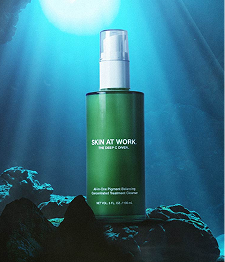
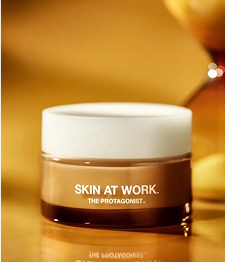
A cleanser should do more than strip away oil. It should remove the day without leaving skin tight or reactive. A daytime formula should work hard enough that you do not need to layer three separate serums underneath it. A night product should help skin recover while replacing the need for multiple treatment steps. This is where multitasking formulas make a real difference.
Why multitasking products make sense
A long routine can look impressive and social media has trained us that if we aren't doing complicated routines we are neglecting our skincare duty, but many steps are there to compensate for weak formulas. If one serum brightens, another hydrates, another softens texture, and a separate cream seals everything in, the routine becomes complicated fast. A better approach is to choose concentrated products built to deliver several benefits at once.
That does not mean every all-in-one product is automatically effective. Some are watered down and promise everything while doing very little. The difference is formulation quality. High-performance multitasking skincare should contain meaningful ingredient levels, thoughtful combinations, and enough potency to produce visible change without turning your skin into a chemistry experiment. Let science, not marketing lead.
This is also where transparency matters. When a brand clearly communicates what is inside a product and why it is there, consumers can make better decisions. You do not need a PhD in cosmetic chemistry, but you should not have to guess whether a product is giving you real treatment value or just elegant packaging.
How to build a routine you will keep using
The best routine is not the most ambitious one. It is the one that fits your life on your busiest day.
Start by looking at your current lineup honestly. If you are skipping products several times a week, layering actives you do not fully understand, or buying new launches before finishing what you already own, your routine is probably too crowded. Strip it back to essentials first, then decide whether anything extra is truly necessary.
Morning should feel fast. If your skin is not oily when you wake up, a full cleanse may not always be necessary. Some people do well with a rinse, while others prefer a gentle cleanser. What matters is that your skin feels clean and comfortable, not squeaky. From there, use a product that can hydrate and treat at the same time, then finish with sunscreen. If sunscreen is your non-negotiable final step, your morning routine becomes much easier to maintain.
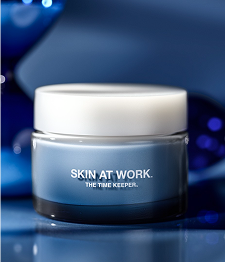
Night is where many routines fall apart because people are tired. This is exactly why the evening lineup should be tight. Cleanse thoroughly enough to remove sunscreen, sweat, and buildup. Then apply a treatment cream or moisturizer designed to do more than basic hydration. A good night formula can help smooth texture, support firmness, improve the look of uneven tone, and reinforce the barrier while you sleep. That is far more practical than rotating through a dozen little bottles.
Where people overcomplicate skincare
One common mistake is chasing every skin concern with a separate product. Dryness gets one serum. Dark spots get another. Fine lines get a third. Redness gets a fourth. Before long, the routine becomes expensive, time-consuming, and difficult to tolerate.
The smarter move is to look for overlap. Many skin concerns are connected. Dehydrated skin can look duller, rougher, and more lined. A weakened barrier can make discoloration and sensitivity look worse. Supporting skin with fewer, more comprehensive products often improves multiple concerns at once.
Another mistake is assuming irritation means a product is working. It does not. Slight adjustment periods can happen with certain actives, but chronic stinging, flaking, or redness is usually a sign that your routine is too aggressive. Streamlined skincare tends to be easier on skin because there are fewer opportunities for ingredient conflict and overuse.
And here is something super important. From an absorption perspective, your skin can take what it takes. It's like when you take a multi-vitamin, your body will take what it needs and discard the rest. The same holds true for your skin. That's why it's important to put one streamlined layer next to your skin. The more products, the more product bases are piled up on top of each other. Often times these bases will impede the upper layers from absorbing into the skin and they can also cause contraindications.
And then there is the trend problem. Skincare culture loves novelty. New buzzwords appear constantly, and every launch is framed like a missing piece. For busy adults, that mindset is expensive and exhausting. You do not need to keep up with trends to have healthy-looking skin. You need a routine that is credible, repeatable, and built around performance.
It depends on your skin, but not as much as you think
Yes, skin type matters. Oily skin may prefer lighter textures. Dry skin often needs richer barrier support. Sensitive skin benefits from fewer variables and fragrance-free formulas. But these differences do not usually require a 10-step custom program.
Most adults can do very well with a treatment cleanser, a multitasking day product, a targeted night cream, and daily sunscreen. If you have a specific concern such as acne, melasma, or pronounced sensitivity, you may need one additional targeted product or professional guidance. The key is additional, not excessive.
There is also a trade-off to keep in mind. A streamlined routine saves time and reduces clutter, but only if the products are doing enough work. If your simplified lineup is too basic, you may not see the level of correction you want. That is why fewer steps should be matched with better formulas. Efficiency only works when performance is built in.
The case for skincare that fits real life
A routine should support your life, not compete with it. If your products are clinically informed, thoughtfully formulated, and easy to use, you are more likely to stay consistent. And consistency is what turns good ingredients into visible results.
That is the thinking behind brands like SKIN AT WORK - less filler, more function, and products designed to replace routine clutter instead of adding to it. For people who want brighter, smoother, more hydrated skin without turning their bathroom into a lab, that approach makes sense.
A smarter standard for better skin
Skincare does not need more ceremony. It needs more clarity. A streamlined routine asks a simple question: is each step solving a real problem, or just adding another layer? When you start there, it becomes much easier to build a regimen that feels sustainable, effective, and worth your time.
If your current routine feels like too much, that feeling is useful. It is probably your skin and your schedule telling you the same thing - do less, but do it better.
