
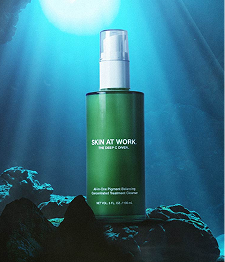
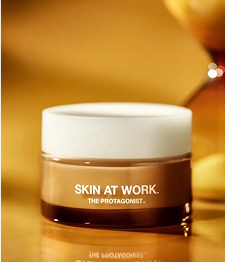
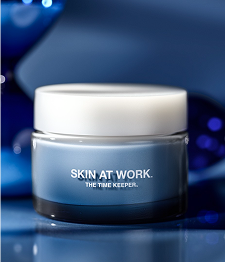


Does this sound familiar? You're doom scrolling TikTok or Instagram at 11pm and suddenly three new serums are in your cart. By the time they arrive, your bathroom shelf looks more like a chemistry lab than a self-care corner. Surely more products means better skin, right?
Not according to the dermatologists treating the fallout. Across clinics nationwide, board-certified skin doctors are sounding a consistent alarm: elaborate multi-step routines are creating waves of damaged, over-sensitized patients — much of it entirely self-inflicted. Their message is unified: less is more.
Part One: You Are Not a Skin Scientist — and That's Dangerous to Forget - Especially When It Comes To Retinol
Active skincare ingredients are not benign. Retinoids, AHAs, BHAs, vitamin C, benzoyl peroxide — these are biologically active compounds that interact with your skin at a cellular level. They also interact with each other, often badly.
Dermatologists at Mount Sinai Health System warn that even the most evidence-backed ingredients — retinol, vitamin C, SPF — can "do more harm than good" if used incorrectly or layered carelessly. Retinol, which is a highly effective ingredient, is a challenging ingredient to mix with other actives. As you probably know by now, I have no patience for walking the retinol "tight rope" of irritation, so as of now, SKIN AT WORK does not formulate with it. I just have zero interest in downtime, redness, irritation and so on. Our mantra here is "RESULTS WITHOUT RETINOL." Common incompatibilities include:
- Retinol + Benzoyl Peroxide: Benzoyl peroxide oxidizes and neutralizes retinol, rendering both essentially useless.
- Vitamin C + Retinol: Mount Sinai flags vitamin C as an acidic agent that is likely to be inactivated when mixed with retinol.
- Multiple Acids Together: Stacking glycolic, salicylic, and lactic acids can strip the skin and damage its ability to recover.
Dermatologist Aegean Chan, MD, of California Dermatology Group told Women's Health: "there's this fallacy that the more you do, the better your results will be." The result? Redness, dryness, and irritation that worsens the very skin you were trying to fix. Consultant dermatologist Shrujana Shrestha has confirmed a real clinical increase in sensitivity, disrupted barrier function, acne flares, and post-inflammatory hyperpigmentation linked directly to trend-driven layering.
Each active ingredient has its own pH requirements, stability needs, and interaction profile. That's the kind of complexity dermatologists spend years studying — not something a Reddit thread can reliably replace.
Part Two: Complicated Routines Create the Problems They're Meant to Solve
Here's skincare's cruelest irony: the more products you use to fix your skin, the more likely you are to damage it. 100% Pure's dermatology research summarizes it plainly: "many skin problems dermatologists see result from overtreatment rather than undertreatment."
Your skin barrier — the protective lipid layer that defends you from environmental aggressors — is the primary casualty. Once it's compromised by excessive product use, persistent acne and chronic sensitivity often follow. Worse, layering too many actives can dilute the potency of each one, meaning you're getting the side effects without the benefits.
Dr. Kathryn Cembrano-Mamaclay, board-certified dermatologist, has seen the pattern repeatedly: patients pile on AHAs, BHAs, and retinoids without understanding the side effects, experience burning and breakouts, then add even more products to treat damage their own routine caused. "Multi-step routines," she told Vogue Philippines, carry the danger of exactly this cycle.
If your skin is persistently red, reactive, or breaking out despite an elaborate routine — the routine might be the problem.
Part Three: Simple Routines Win — in Results, Time, and Money
The best skincare routine, according to Dr. Sandra Lee (Dr. Pimple Popper), is the one you can actually stick with. "Most skin types do best with three steps: cleanse, treat, moisturize," she says.

Consistency is why simplicity wins. Active ingredients at over-the-counter concentrations require weeks or months of steady use to show results — a standard that constant product-switching simply can't meet. Dermatologists consistently observe that patients who follow simple, appropriate routines achieve better long-term outcomes than those who constantly experiment.
Simple also means affordable. Specialty serums and trend products are the most expensive items in skincare, and complex routines demand constant replenishment. A streamlined routine — cleanser, treatment, moisturizer, SPF — is sustainable in a way a 12-step regimen simply isn't.
The American Academy of Dermatology recommends a gentle cleanser and moisturizer, twice daily, as the foundation of every healthy routine. Everything else should be added deliberately, one change at a time, for a specific reason. When in doubt, ask a dermatologist — not TikTok.
