


Tretinoin has earned its reputation. It can help treat acne, soften fine lines, improve uneven tone, and support smoother-looking skin. But if you are asking, what are the dangers of long-term tretinoin use?, you are probably looking for more than the standard advice to “start slow.” You want to know whether years of use can quietly damage your skin - and whether the results are worth the upkeep.
The honest answer: for many people, long-term tretinoin use can be safe and effective when it is prescribed appropriately and used with a routine that supports the skin barrier. The biggest risks are usually not hidden toxicity or inevitable damage. They are chronic irritation, a weakened barrier, worsening discoloration in irritation-prone skin, and using a powerful prescription as if more is always better.
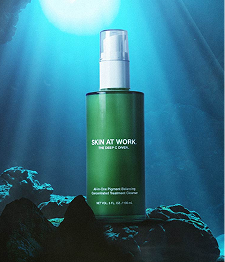
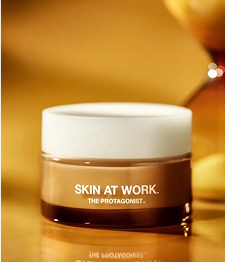
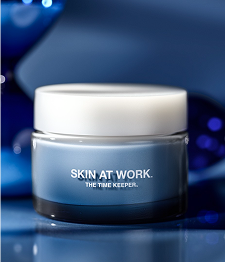
Now, I am not here to say "tretinoin is bad" and "SKIN AT WORK" is good. I have absolutely seen people with positively gorgeous skin who use Tret. What I am saying is that it takes discipline and work to get there and if you are a lazy skincare person like me, that might not be a good personality fit. That's why I created SKIN AT WORK. I want retinol like results without redness or irritation and every product in our system is designed to work together to give you the best results without the least amount of irritation and effort.
For me personally, I have always been too busy to deal with walking the retinoic acid tight rope. I just simply don't have the patience or time to manage the schedule and concentrations that are required. Just when I think I have it all figured out, the season will change or I will get stressed or something else will happen and I am back to square one with managing the fuss.
IMHO, great skincare should create results you can live with, not a nightly negotiation with redness, peeling, and stinging. Ain't nobody got time for that - that famous saying goes.
What are the dangers of long-term tretinoin use?
Tretinoin is a prescription retinoid, meaning it changes how skin cells turn over and can influence collagen-related processes over time. That is why it can be so effective. It is also why it can be demanding.
The most common long-term issue is persistent irritation. Some dryness and flaking can happen during an adjustment period, especially in the first several weeks. But ongoing burning, tightness, redness, raw patches, or scaling are not proof that the product is “working.” They are signs that your skin may be getting more stimulation than it can comfortably handle.
When irritation continues, the barrier skin can become less effective at holding water in and keeping irritants out. Skin may feel dry even under moisturizer, react to products it once tolerated, or sting when plain water touches it. This is where a treatment intended to improve texture can leave skin looking rough, shiny, inflamed, or uneven instead.
For people prone to post-inflammatory hyperpigmentation, repeated irritation can also work against pigment goals. Inflammation may trigger or prolong dark marks, particularly on deeper skin tones. Tretinoin can still be a useful option for discoloration under medical guidance, but an irritated routine is not a faster route to a clearer complexion.
Sun sensitivity can make every other risk worse
Tretinoin does not make sunscreen optional. In fact, a daily broad-spectrum sunscreen becomes part of the treatment plan, not an extra step for people who have time. Even if you work near a window at home, you will need sunscreen if you are on Tret.
Tretinoin-treated skin may be more vulnerable to irritation from sun exposure, and sun damage can undo progress on discoloration and visible aging. If you use tretinoin inconsistently but also skip sunscreen, the routine can become a frustrating cycle: treat, irritate, expose, then try to correct the visible fallout.
This does not mean you need to hide indoors. It means your daytime routine needs to be uncomplicated and reliable. A sunscreen you will actually use every morning is more valuable than a shelf full of products you use when you remember.
The “tretinoin purge” is often overused as an explanation
A temporary acne flare can happen when a retinoid brings pre-existing clogged pores to the surface more quickly. But not every breakout is purging, and not every reaction needs to be pushed through.
Acne that appears in new areas, painful irritation, an itchy rash, swelling, or worsening breakouts after the early adjustment period may point to irritation, an incompatible product combination, or a treatment plan that is not right for your skin. Calling every bad reaction a purge can keep people in a routine that is making their skin worse.
What tretinoin does not usually do
Internet skincare has a habit of turning any powerful ingredient into either a miracle or a menace. Neither is useful.
Used correctly, tretinoin is not known to permanently thin healthy skin. The early dryness and peeling can make skin look fragile, which understandably fuels that concern. But the visible surface reaction is not the same as permanent structural thinning.
It also does not have to cause constant peeling to deliver benefits. More product, more frequent application, and stronger concentrations do not automatically mean better outcomes. A pea-sized amount applied to fully dry skin, at a frequency your skin can tolerate, is often more productive than forcing nightly use through visible inflammation.
Long-term success is less about toughness and more about consistency. Skin does not give bonus points for suffering.
Who should be more careful with long-term use?
Tretinoin is not a casual add-on for every routine. People with eczema, rosacea, very dry skin, a history of contact dermatitis, or a compromised barrier may need a different approach, a lower frequency, or another treatment entirely. If your skin already flushes easily or reacts to many products, tretinoin deserves extra caution.
Pregnancy is another major consideration. Tretinoin is generally avoided during pregnancy because of the broader concerns associated with retinoids, even though topical absorption is much lower than with oral retinoid medications. If you are pregnant, trying to conceive, or breastfeeding, speak with your obstetrician or prescribing clinician before using it. Do not make this call based on a comment section.
You should also check in with a clinician if you use other potentially irritating treatments, including exfoliating acids, benzoyl peroxide, prescription acne medications, hair-removal products, or procedures such as peels and laser treatments. These can sometimes be used in the same overall plan, but timing and skin tolerance matter.
The real problem: a routine that treats irritation as normal
The danger is rarely tretinoin in isolation. It is tretinoin layered into an already aggressive routine: an acid cleanser, exfoliating toner, scrub, strong vitamin C, spot treatment, and then a prescription retinoid at night. That is not high performance. That is too many players trying to run the same play.
Busy people are especially vulnerable to this because complicated routines invite inconsistency. You skip products for a few days, feel behind, then restart everything at once. Skin responds poorly to that kind of catch-up strategy.
A simpler routine gives you a better chance of identifying what is helping and what is hurting. On tretinoin nights, many people do best with a gentle cleanser, a plain barrier-supporting moisturizer, and tretinoin. Some may apply moisturizer first or use the “sandwich” method - moisturizer, tretinoin, moisturizer - to reduce irritation. Your prescriber can help determine whether that makes sense for your treatment goals.
On non-tretinoin nights, the goal does not need to be another active ingredient. It can simply be recovery. Hydration, barrier support, and repeatable habits are not boring when they are what allow your skin to tolerate treatment.
Signs your routine needs a reset
You do not need to wait for a dramatic reaction. Pull back and reassess if your skin has persistent burning, increasing redness, cracked corners around the nose or mouth, eczema-like patches, unusual sensitivity, or dark marks that seem to be worsening alongside irritation.
Stop using tretinoin and seek medical advice promptly for significant swelling, blistering, hives, severe pain, or signs of an allergic reaction. If acne, pigmentation, or irritation is not improving after a reasonable adjustment period, contact the clinician who prescribed it. The answer may be a lower strength, fewer nights per week, a different formula, or a different treatment category.
A smarter standard for visible results
Tretinoin can be an excellent long-term tool. It is not, however, a requirement for healthy, polished-looking skin. If it consistently disrupts your barrier, your schedule, or your confidence, it is reasonable to choose a less irritating path.
The best routine is not the one with the most aggressive ingredient or the most steps. It is the one that improves your skin without turning skincare into a second job. Aim for calm, consistent progress - the kind you can maintain on a rushed Tuesday night, not just during a perfect week.
