


Dullness is not one single problem. Sometimes it is dead skin buildup. Sometimes it is dehydration. Sometimes it is uneven pigment, leftover breakouts, irritation, poor sleep, or barrier damage from overdoing acids and actives. The best approach is not trend chasing. It is choosing products that target the real cause while still being easy enough to use consistently.
What actually causes dull skin?
Most dull skin comes down to four things. First, dead skin cells can sit on the surface too long, making skin look rough, flat, and tired. Second, dehydration can make skin lose that natural bounce that reflects light well. Third, inflammation and irritation can leave skin looking uneven, blotchy, or stressed. Lastly, lingering discoloration can create an overall lack of clarity even if your skin is technically smooth.
This is why one miracle ingredient usually does not solve dullness. A brightening routine works better when products cover multiple jobs at once: gentle resurfacing, hydration, antioxidant support, and barrier repair. That is where smart, multi-tasking formulas outperform bloated routines filled with overlapping steps.
The best products for dull skin and why they help
Vitamin C products
If your skin looks tired, uneven, or less vibrant than it used to, vitamin C is still one of the most useful categories to consider. A well-formulated vitamin C treatment can help improve brightness, support a more even-looking tone, and defend against the daily oxidative stress that makes skin look older and flatter over time.
The trade-off is that not every vitamin C product is worth using. Some are unstable, irritating, or packed with marketing and not much performance. If your skin is reactive, lower-irritation vitamin C derivatives may be easier to tolerate than strong pure ascorbic acid formulas. If your skin is resilient and pigmentation is your main issue, a stronger formula may give faster visible payoff.
I personally cannot use L-Ascorbic Acid, one of the purest forms of Vitamin C, because it irritates my skin. Even at 10%, I develop these hard and dry spots on my forehead. They aren't discolored, but they feel like a scab when you push on them. No bueno. After using a 10% L-Ascorbic Serum for just 2 months, I had to visit my dermatologist to have them gently burn off the strange, crusty skin.
That's why I like to formulate with MAP, magnesium ascorbyl palmitate. This is gentler alternative that plays really nicely in the formulation sandbox. It gives you that vitamin C glow without the risk of any irritation.
Exfoliating cleansers
For people who do not want another leave-on step, an exfoliating cleanser is one of the most practical answers to dullness. It can help remove buildup, smooth texture, and refresh the surface without asking you to remember an extra serum at night.
This category works best when the formula is balanced. Too weak, and you will not notice much. Too aggressive, and you trade dullness for irritation, which often makes skin look worse. Look for cleansers that combine exfoliating acids with hydrating or soothing support so your skin feels cleaner and brighter, not tight and stripped.
I prefer cleansers with PHA, poly hydroxy acids, because these are the most gentle of the acids and if you are going to be using a cleanser for daily use, you do not want to over process your skin.
My hot take on this is, avoid daily glycolic if you have sensitive or dry skin.
Botanicals or SOD
Plants are a wondrous thing. And many botanical extracts and super fruits can help you to combat the signs of premature aging that are caused by environmental factors like pollution, dry air conditioning, sun exposure, free radicals and more.
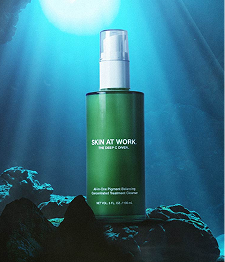
Many flower extracts, like you find in THE DEEP C DIVER and fruits with SOD are the superheroes of combatting these elements. SOD stands for super oxide dismutase and you typically find it in super fruits that are darker in color. How do they work? Well, they do a "super" job of keeping "oxidation" at bay. The help you play defense against everything bombarding your skin during the waking hours.

Hydrating serums and moisturizers
A lot of people mistake dehydration for dullness, then try to scrub it away. That usually backfires. Skin that lacks water looks flat, crepey, and less reflective. A hydrating serum or moisturizer with humectants and barrier-supporting ingredients can bring back a healthier, fresher look surprisingly fast.
This is especially true if your skin feels both dull and sensitive. In that case, your best product may not be the strongest brightener. It may be the one that restores hydration and reduces irritation first. Bright skin tends to be well-supported skin.
Niacinamide treatments
Niacinamide is useful because it does several jobs well without creating a lot of drama. It can help support the barrier, improve uneven-looking tone, calm visible redness, and refine the overall look of skin. For dullness caused by stress, sensitivity, or leftover marks, it is often a smart middle-ground ingredient.
The catch is that higher percentages are not always better. Some people do well with stronger niacinamide products, while others get flushing or irritation. A thoughtfully built formula with niacinamide plus hydrators and antioxidants is often more effective than a single-note product chasing a big percentage on the label.
I prefer 5% as the sweet spot for Niacinamide. That's the Goldilocks zone IMHO.
Night creams with repair ingredients
Night is when a lot of visible recovery happens, especially if your skin is overworked. A good night cream can help improve dullness by supporting moisture levels, smoothing texture, and reinforcing the barrier while you sleep.
This is where skincare often gets unnecessarily complicated. You do not need three separate night products if one formula can handle hydration, repair, and gentle resurfacing support at the same time. For busy people, that kind of all-in-one efficiency is not cutting corners. It is good product design.
Sunscreen
It is not the most exciting answer, but it is one of the most honest. If you are using brightening products without daily sunscreen, you are working against yourself. UV exposure worsens discoloration, weakens collagen over time, and keeps skin looking uneven and tired.
A sunscreen you hate wearing is not the right sunscreen for you. The best one is the formula you will actually apply every morning, whether that is a fluid, cream, gel, or tinted option.
How to choose the best products for dull skin without overbuilding your routine
Start by asking what your dullness looks like. If your skin feels rough and looks congested, exfoliation probably matters most. If it feels tight, flat, and easily irritated, hydration and barrier repair should come first. If the issue is uneven tone or lingering marks, vitamin C, niacinamide, and sunscreen are stronger bets.
Then be realistic about your life. If you are not going to use six products twice a day, do not build a six-product routine. The best routine is the one that fits your actual schedule. For a lot of people, that means a treatment cleanser, a day product that hydrates and brightens, a repair-focused night cream, and sunscreen. Simple does not mean basic. It means every product has a job.

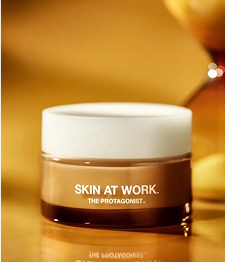
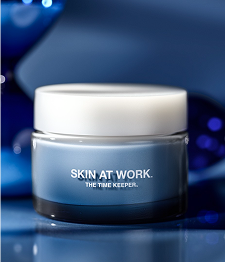
That is also why streamlined brands like SKIN AT WORK resonate with people who are done with skincare clutter. When one formula is built to do more than one thing well, you get a better chance of staying consistent enough to see results.
What to avoid when skin looks dull
The biggest mistake is over-exfoliating. If your skin looks tired, uneven, and dry, adding stronger acids every night may sound productive, but it often creates more inflammation and less glow. Another common mistake is buying products based on one trendy ingredient while ignoring the full formula. Ingredient headlines get attention. Formula balance gets results.
It is also worth avoiding routines that separate every benefit into a different bottle. More steps create more friction, and more friction usually means less consistency. If a product cannot earn its spot by doing something clearly useful, it probably does not need to be there.
A simple routine that makes sense
Morning should be efficient. Cleanse if needed, use a brightening or hydrating treatment, moisturize if your treatment is not enough on its own, and finish with sunscreen. At night, cleanse thoroughly and use a repair-focused moisturizer or treatment cream. If you are adding exfoliation, use it with intention, not by habit.
If your skin is sensitive, scale slowly. If it is oily or congestion-prone, focus more on gentle exfoliation and lighter hydration. If your skin is dry or stressed, prioritize barrier support before chasing fast brightening. Dull skin is often a signal that your skin needs a better balance, not more punishment.
The good news is that brightness does not usually require a complicated reset. It requires a few well-chosen products that help skin function better day after day. When your routine is simple enough to keep up with and strong enough to make a difference, dullness tends to stop feeling like a mystery and start feeling fixable.
If your skin looks tired, start smaller than you think. One smart cleanser, one hard-working treatment, one moisturizer that actually repairs, and daily sunscreen can take you a lot further than a shelf full of products you barely use.
